Why resemblance changes the risk
A synthetic voice or likeness can be useful for an authorized project: a creator might produce a clearly labeled translation of their own video, for example. The same ability can also make an unauthorized message appear to come from a trusted person. A convincing clip may prompt someone to share information, send money, or repeat a statement the person never made.
The key question is not just whether a tool can produce a realistic result. It is whether viewers or listeners might mistake the result for an authentic recording or endorsement. Risk rises when a clip is presented without context, uses a familiar voice to make a request, or appears on an account that people already trust. Small teams should treat these as communication and identity risks, not merely as editing decisions.
Ask for permission before making the asset
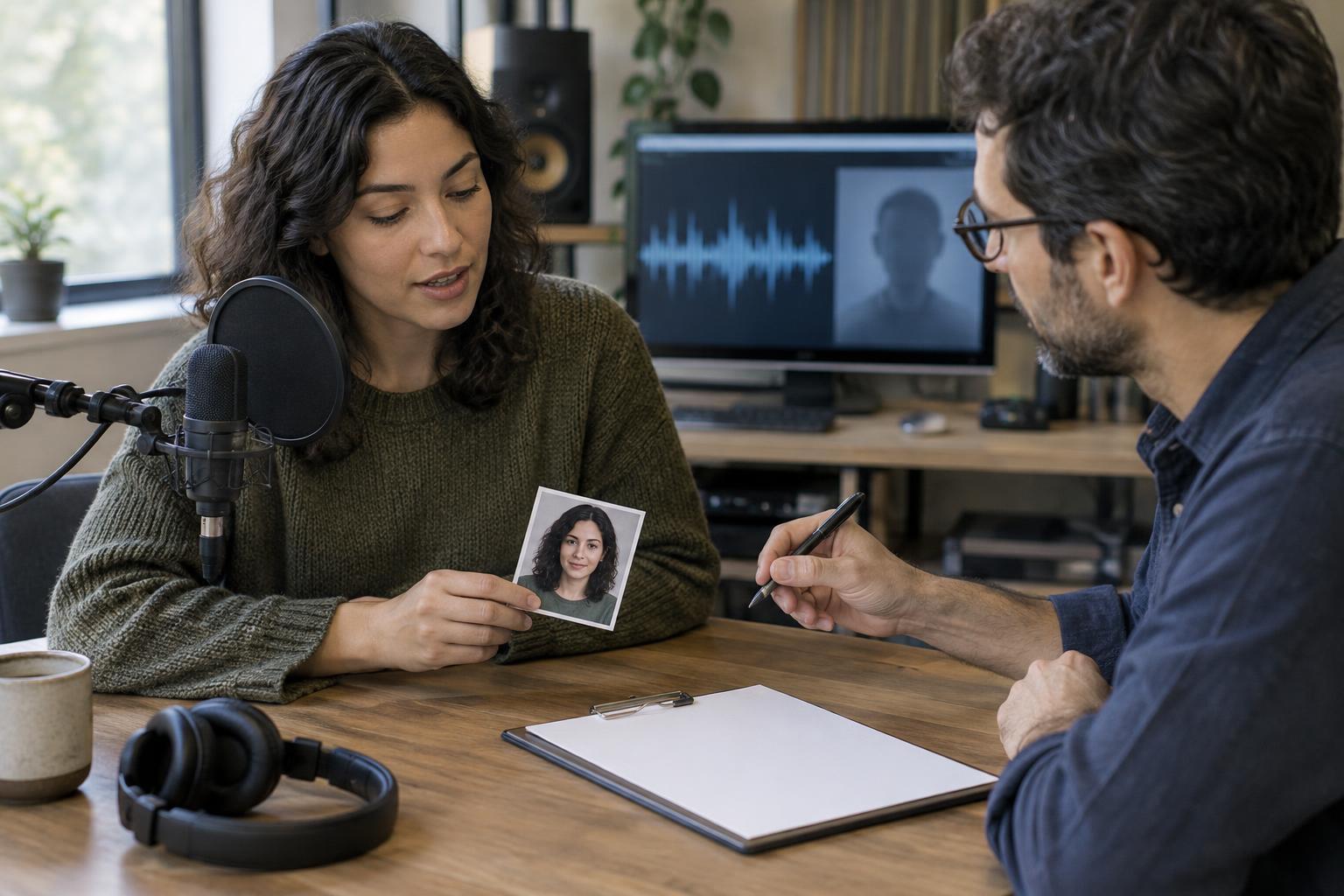
Consent should be specific enough that the person understands what will be created and where it may appear. Before collecting recordings or images for a model, explain the intended content, channels, audience, and duration of use. Say whether the material will be used to generate new words or performances, whether someone else can operate the tool, and whether the output may be shared with a vendor. Permission to record an interview does not automatically mean permission to clone the speaker’s voice.
Give the person a chance to review examples, set boundaries, and decline without pressure. Record the agreed scope in a form both sides can revisit. For a small project, a clear written agreement may be more useful than a vague checkbox: it can name permitted uses, prohibited uses, who approves outputs, and a contact for concerns. If the proposed use changes, ask again rather than stretching the original permission.
Plan for withdrawal before production begins. It may be possible to stop making new outputs and remove files from channels you control, but copies already downloaded or shared elsewhere may be difficult to retrieve. Explain that limitation honestly, along with what you can do if permission is withdrawn.
Build safeguards into the workflow
Keep source recordings, reference images, model access, and generated files limited to people who need them. Choose tools with access controls and understandable data-handling settings; check what a provider says it retains or uses to improve its systems before uploading someone else’s material. Avoid placing voice samples or face images in shared folders simply because they are convenient. Delete working files when they are no longer needed under your project plan.
Set a review step before publication. A reviewer should check that each output stays within the agreed scope, does not imply an endorsement that was never given, and is not paired with misleading captions or account names. Label synthetic media in plain language where audiences will encounter it. A label can provide context, but it cannot prevent a clip from being copied without the label; approval controls and careful distribution still matter.
Do not use a synthetic voice as proof of identity. For payment changes, sensitive requests, or access to accounts, confirm through a separate channel using contact details already known to the recipient. Teams can also agree on a simple rule: an urgent audio or video message alone never overrides their normal approval process.
Prepare for misuse without overstating detection
People whose voices or images appear online cannot reliably prevent every attempt at imitation. They can make impersonation less effective by telling collaborators which channels they use for important requests and how to verify unusual messages. Creators and teams can keep an accessible record of authorized synthetic projects so that a questionable clip can be checked against it.
If an apparent impersonation surfaces, preserve the message and its context, avoid amplifying it unnecessarily, and notify people who may act on it. Report it through the relevant platform’s available channels and secure any accounts that may have been compromised. A detection tool may provide a clue, but its result is not definitive: editing, compression, and changing generation methods can make judgments uncertain.
The most durable approach is to combine clear consent, restricted access, visible context, and independent verification. None is a complete fix on its own. Together, they make legitimate creative uses easier to understand while reducing the chance that a fabricated performance will be mistaken for a real person’s instruction or approval.