Start with the idea, not the output
Turning an article into a video script is not simply a matter of shortening its sentences. Each format gives the audience a different way into the idea. A reader can pause over a detailed explanation; a viewer may need a visible example before the explanation makes sense. Before asking AI to create variations, write a short concept statement in your own words: what is the main point, who is it for, and what should someone understand or feel afterward?
Add a few boundaries to that statement. List any facts that must remain accurate, terms that need explaining and claims you are not prepared to make. If the concept is fictional, identify the characters, setting and events that must stay consistent. This small source brief gives you a reference for judging every adaptation instead of letting the first generated draft define the project.
Give each format a different job
Choose formats based on what each one can do well for your audience. A longer article might explain the reasoning behind an idea. A short video might demonstrate one moment or contrast. An image sequence might show a process in stages, while an email might invite a specific response. These are not interchangeable containers: each needs its own opening, pace and level of detail.
Ask AI for several format plans before asking for finished copy. A useful prompt is: “Using the concept brief below, propose a distinct angle for a short article, a 60-second spoken script and a four-panel visual sequence. For each, state what to include, what to leave out and what the audience should take away. Do not add unsupported facts.” Treat the results as options. If every plan repeats the same points in the same order, ask what each format could show or explain that the others cannot.
When you need examples of how a subject can branch into multiple angles, browse Future Mobility · AcceleratingFuture Horizons for topic inspiration. Build your own brief and verify any factual material you decide to use; a browsing destination is not evidence for a claim.
Draft from the brief, then reshape for the medium
Work on one format at a time. Give the AI your concept brief, the chosen angle and concrete constraints: intended audience, approximate length, tone and any required elements. For a spoken script, request short, speakable lines and cues for what the audience sees. For a visual sequence, request a panel-by-panel description before generating imagery. For an email, specify what the reader already knows so the message does not begin with an unnecessary introduction.
Review the structure before polishing the wording. Does the piece have a clear beginning? Is there enough context to stand alone? Does the format carry the idea, or is it merely an abbreviated version of another draft? You may need to write a new example, change the order or remove an appealing detail that distracts from the format’s purpose. AI can produce alternatives quickly, but it cannot decide which trade-offs best serve your project.
Check consistency without forcing identical copy
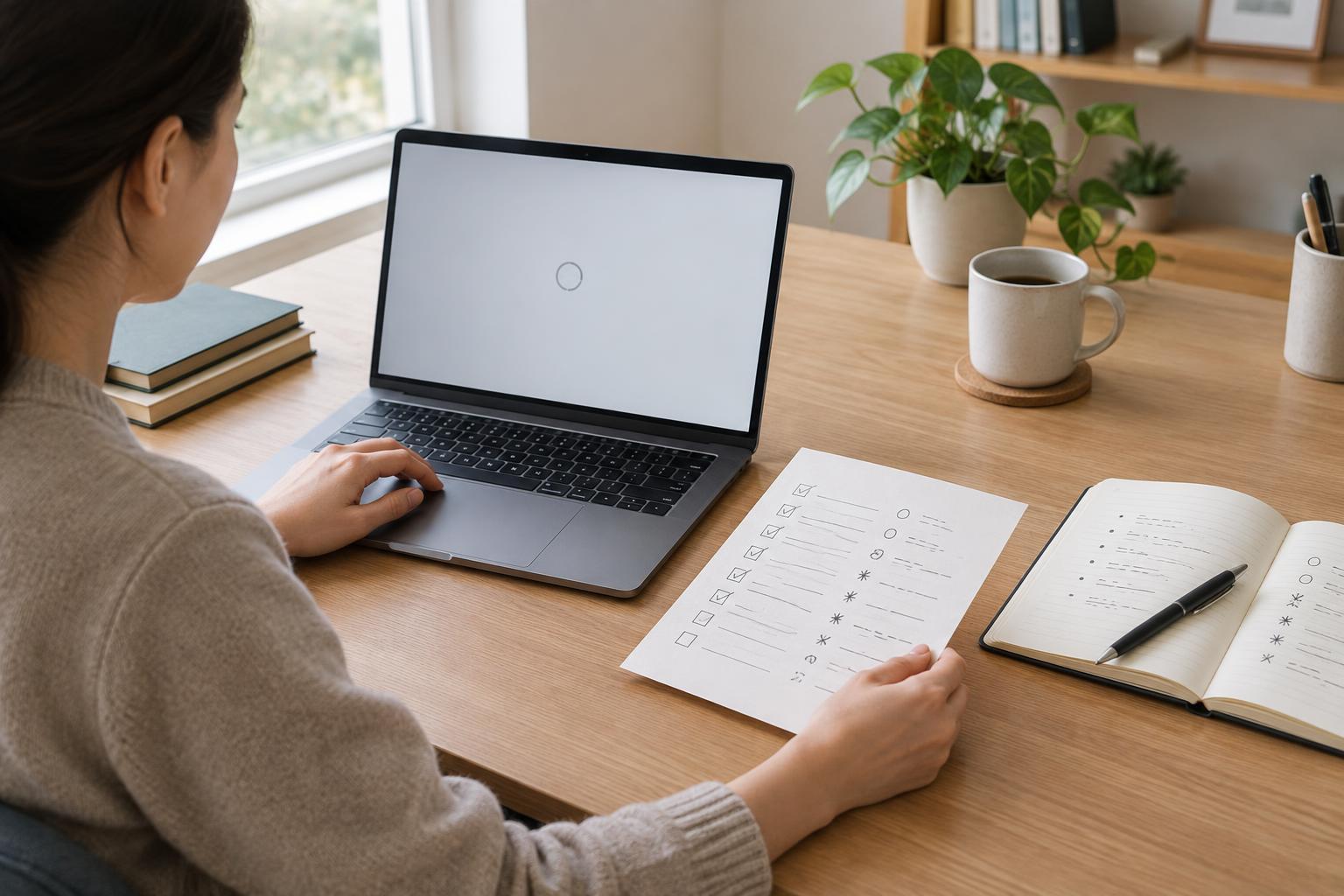
Put the adaptations side by side and compare them with the original brief. Mark any changes to names, sequence, terminology or factual claims. Ask AI to identify possible inconsistencies, but inspect each flagged item yourself; it may mistake a deliberate simplification for an error or overlook a subtle change in meaning. For factual work, check important claims against materials you trust rather than relying on agreement between AI-generated drafts.
Consistency does not require every piece to use the same phrasing. A visual post may need a concrete example where an article uses an explanation. A script may repeat a key phrase to help listeners follow along, while that repetition would feel clumsy on the page. Aim for a shared core idea and compatible details, with language suited to each setting.
Finish with a human-use test
Before publishing, experience each piece as its audience would. Read the script aloud, view the images at their likely display size and scan the email on a small screen. Look for missing context, crowded visuals and transitions that made sense in your planning notes but not in the finished work. If another person can review a draft, ask what they understood rather than whether they liked it.
Keep the concept brief and approved drafts together so future adaptations have a stable starting point. Record useful decisions, such as which example was removed or which wording clarified an idea. The goal is not to produce as many versions as possible. It is to make each version worth encountering on its own while preserving the thought that connects them.